

24BeautyMap Hits 2000 Users on Successful Launch Day

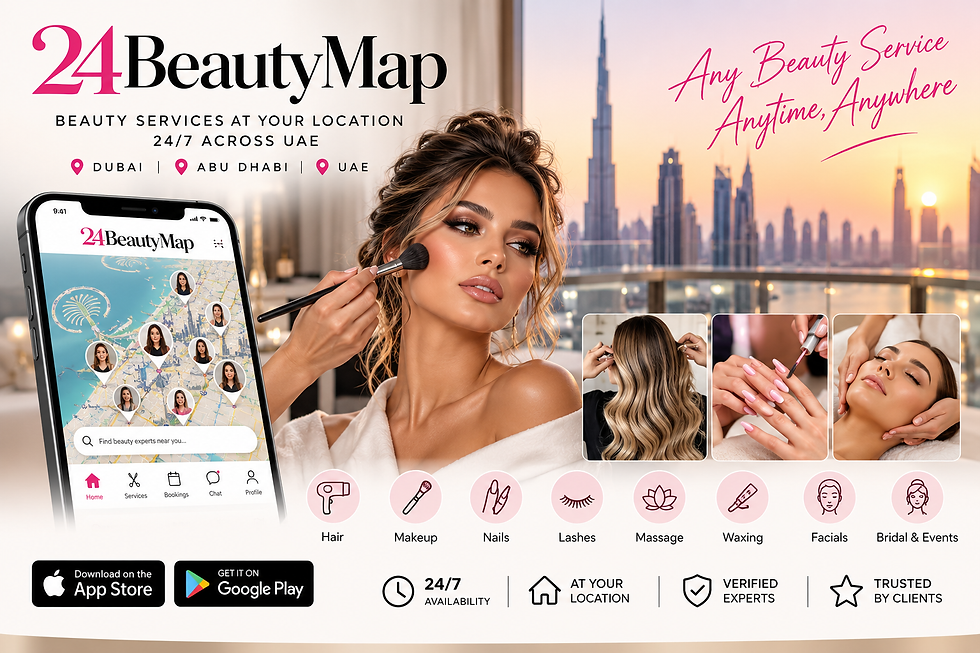
24BeautyMap reached 2,000 users on its launch day, giving the beauty discovery platform an early signal that people are ready for easier ways to find and compare beauty services.
The milestone matters because launch days are rarely quiet tests anymore. A new platform has to prove that people can understand the idea quickly, try it without too much friction, and see enough value to come back. For 24BeautyMap, crossing the 2,000-user mark on day one suggests a clear opening in the beauty space: people want local beauty information that feels easier to navigate.
The company’s launch day result also points to strong interest in tools that bring beauty services into one searchable experience. For customers, that can mean less time asking around, scrolling through scattered listings, or guessing which provider is nearby. For beauty professionals, it can help create another path for being found by people who are already looking.

A strong first-day number gives the launch real momentum
Reaching 2,000 users on the first day is not just a vanity number. It is a sign that the product promise was clear enough to prompt real action.
For a platform like 24BeautyMap, the first challenge is simple but hard: get people to understand what it does in seconds. The name gives a strong clue. It tells users that the service is tied to beauty and location. That matters because beauty decisions are often local. A haircut, facial, lash appointment, nail service, makeup session, or skin treatment usually depends on where someone lives, works, travels, or plans to be that day.
The launch-day response suggests that 24BeautyMap found a message people could grasp quickly. People did not need a long explanation to understand why a beauty map could be useful.
The early milestone also gives the team something more valuable than attention. It gives them a first wave of behavior to learn from. Even without sharing extra figures, a launch day with 2,000 users can help a platform see where people click, which categories draw interest, where searches happen, and where the experience may need to be clearer.
That kind of learning can shape the next version of the product.
Why beauty discovery still has room for better tools
Beauty services are personal. People care about convenience, style, trust, price, availability, and location. The challenge is that all of this information is often split across different places.
Someone looking for a beauty service may check search engines, review sites, salon websites, booking tools, friend recommendations, and neighborhood groups. That process can work, but it can also feel scattered. A map-first platform gives the search a more direct starting point.
A map can answer practical questions right away:
What is close to me?
What is available in the area I am visiting?
Which providers are near a certain neighborhood?
How far is the appointment from home, work, school, or a hotel?
Are there enough options nearby to compare?
For beauty customers, the best experience usually removes uncertainty. A useful platform does not need to overwhelm people with endless choices. It needs to help them narrow the options with confidence.
That is where the idea behind 24BeautyMap fits. The platform’s early user growth suggests that people are interested in beauty discovery that begins with place. It reflects how many real appointments happen. People often search by need, then by location, then by availability, then by trust.
A map can make that flow feel natural.

The first 2,000 users can shape what comes next
A successful launch day gives a platform attention. What happens after launch depends on how well the team listens.
The first 2,000 users can reveal the practical details that matter most. Some visitors may search by service type. Others may explore by neighborhood. Some may want quick booking links, while others may care more about profiles, photos, reviews, hours, or price ranges. The key is to watch what people do, not just what they say.
Early users often find the rough edges. They notice if a category name is confusing. They spot gaps in coverage. They test the search flow in ways the team may not have expected. They compare the platform with their current habits and decide whether it saves time.
That feedback is normal for a launch. It is also valuable.
For 24BeautyMap, the first-day milestone creates a strong base for product learning. A small launch can make it hard to tell whether an issue is real or just a one-off comment. A larger first wave can reveal patterns sooner.
The team can use that information to improve areas such as:
Search clarity
Category labels
Location filters
Provider profile details
Mobile experience
Loading speed
Help text and onboarding
Coverage in high-interest areas
None of these improvements need to be flashy. In a local discovery product, small fixes can make a big difference. If users can find the right beauty service faster, the platform becomes easier to trust.
What the launch says about beauty consumers
The response to 24BeautyMap’s launch fits a broader pattern in consumer behavior. People want tools that reduce friction. They want to make everyday decisions faster without giving up quality.
Beauty is a strong example because the decision is both practical and personal. A person choosing a stylist, brow artist, nail tech, esthetician, barber, or makeup artist is not just choosing a time slot. They are choosing someone who will affect how they look and feel.
That is why discovery matters.
People may start with a simple need, such as “I need a salon nearby.” Very quickly, the search becomes more layered. They may want to know if the provider works with a certain hair texture, offers a specific nail style, specializes in bridal makeup, accepts walk-ins, has weekend hours, or is close enough for a lunch break.
A good beauty platform has to respect both sides of the decision: the emotional side and the logistical side.
The 2,000-user launch day suggests that users are open to a more organized way to search. It also suggests that people do not want to waste time bouncing between too many sources before they can even build a shortlist.
Providers could benefit from better local visibility
The launch milestone is also relevant for beauty professionals. Independent providers, small salons, beauty studios, and mobile service providers often depend on being discoverable at the exact moment someone is searching nearby.
That can be hard. Many beauty businesses have loyal clients but still struggle to appear in front of new ones outside their immediate network. A location-based platform can help if it gives providers a clear place to be found by people with intent.
For providers, discoverability is most useful when it leads to qualified attention. A casual browser is different from someone searching for a service in a specific area. Map-based discovery can bring those needs closer together.
That said, the value for providers will depend on execution. Profiles need to be clear. Service information needs to be easy to understand. Location details need to be accurate. Users need enough information to decide whether a provider is worth contacting or booking.
If 24BeautyMap can keep improving those basics, the platform could become useful for both sides of the beauty marketplace.
Launch day success is only the starting point
A strong launch day is encouraging, but it does not guarantee long-term adoption. The next stage will likely matter more than the first-day number.
For any new platform, the real test comes after the initial attention fades. Users need reasons to return. Providers need reasons to keep listings current. The product needs to stay simple while adding the details people expect.
The most important post-launch questions are practical:
Do users find what they came for?
Do they return when they need another beauty service?
Do providers keep their information accurate?
Does the map stay useful as more locations and services are added?
Does the experience feel fast and clear on mobile devices?
If the answers improve over time, the launch-day momentum can turn into lasting use.
This is the part of growth that looks less dramatic from the outside but matters more. A platform built around local discovery has to earn trust through consistency. People need to believe that the results are relevant, current, and worth acting on.
That trust comes from product quality, accurate information, and a smooth user experience.
A milestone that gives 24BeautyMap something to build on
The 2,000-user launch day gives 24BeautyMap a strong opening story. It also gives the team a responsibility to turn early attention into a better product.
The milestone shows that the idea has demand. People are willing to try a beauty discovery tool that centers location and choice. Now the next step is to keep improving the experience so that first-time users become repeat users.
A beauty map can be useful because it starts where real decisions often start: nearby, available, and relevant. If 24BeautyMap continues to focus on those basics, its launch day will be remembered as more than a quick spike. It will be the first sign of a platform finding its audience.

The launch result is clear: 24BeautyMap has started with real user interest. The next measure of success will be how well it turns that interest into a reliable way for people to find beauty services when and where they need them.


Comments